
How to Find a CFL Agent | Black Diamond

How to Find a CFL Agent: What Football Players Should Know
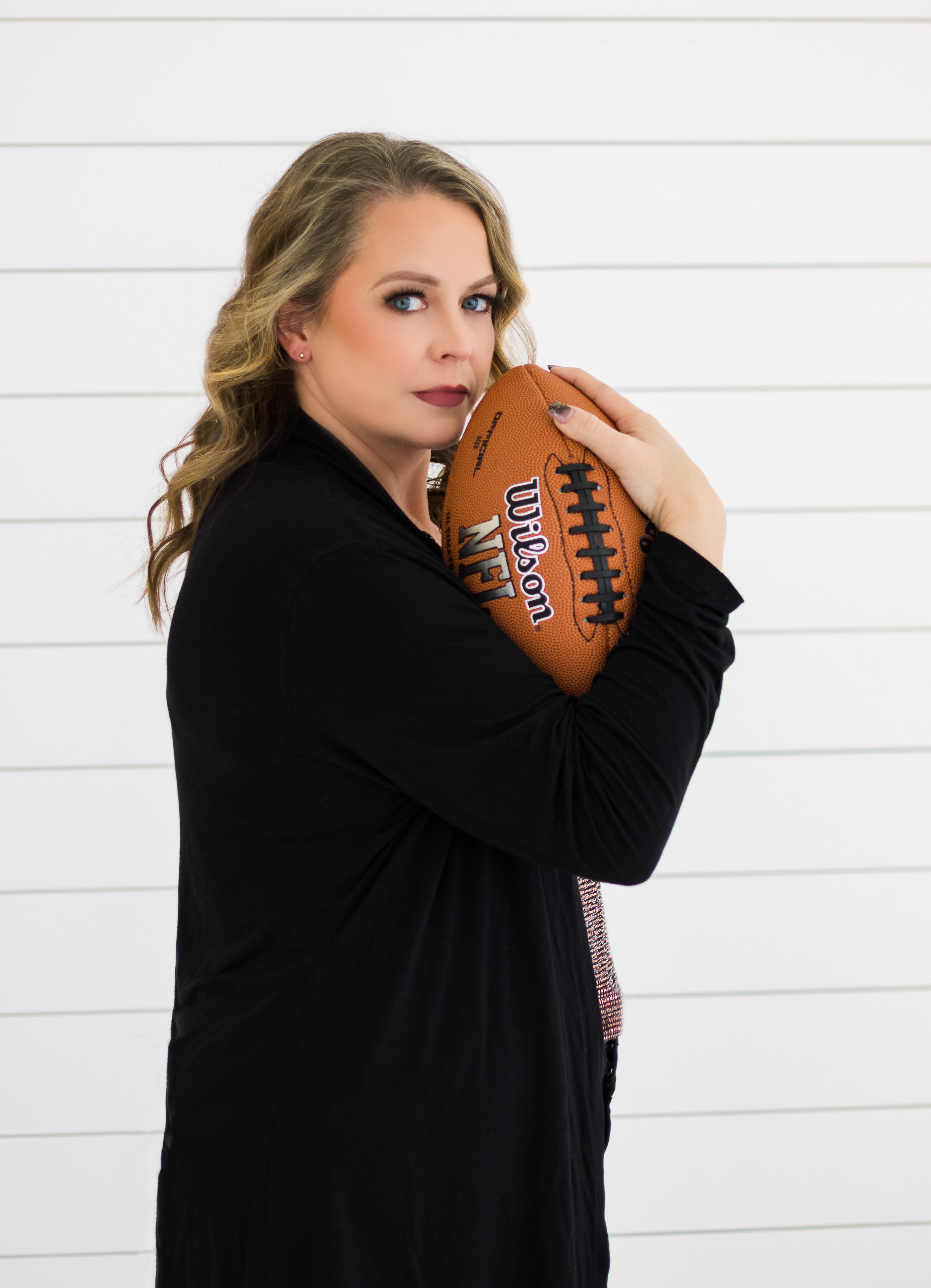
By Dr. Brandy Runyan, Founder of Black Diamond Sport & Entertainment Group
You’re still getting up to train. Still watching your film. Still answering the same question from people who mean well but don’t quite understand: “So, what’s happening with football?”
You would like an answer to that, too.
Maybe your college career ended without the professional opportunity you expected. Maybe you made it to camp and got released. You might already be playing professionally somewhere else, wondering whether the Canadian Football League is a realistic next step.
Eventually, you start searching for a CFL agent.
Before you put your career in someone’s hands, there are a few things worth understanding. Start by verifying that the person is a CFLPA-registered contract advisor. The Canadian Football League Players’ Association maintains a public directory of registered advisors, which gives you a reliable starting point for your search. Then take the time to understand what that person would actually do for you. CFLPA
An offer of representation can feel like a breakthrough when you’ve been waiting for someone to take an interest. You can appreciate that interest without rushing into an agreement.
Start with the CFLPA, not someone’s Instagram biography
When you’re looking for a CFL agent, verify the individual, not just the agency name.
Check the CFLPA’s registered contract advisor directory and compare the listing with the person contacting you. Look at the name, agency affiliation, and contact information. If something doesn’t match, contact the CFLPA for clarification before proceeding. The association’s directory provides those details publicly. CFLPA
Ask who would handle your representation. Your first conversation might be with someone who helps recruit players or manages administrative work. That is not necessarily a problem, but you should know who would discuss your contract with a club, who would answer your questions, and whose name would appear on your representation agreement.
You are allowed to ask these things. You do not have to act grateful enough to overlook them.
Once you’ve verified the advisor’s registration, look beyond the credential. Ask about their experience, the players they work with, and how they approach situations like yours. Registration is an important first check. Choosing someone you can work with takes a little more conversation.
Have a real conversation about your CFL prospects
When someone tells you they can help you play in the CFL, ask them to explain what they see.
Which parts of your game make you a potential fit? What concerns would they expect a team to have? What would they need to see before deciding whether to represent you?
Those questions should lead to a discussion about your football, not just a list of people the agent knows.
If you’re a receiver, ask which games best demonstrate what you offer. If you’re a defensive back, talk about your coverage experience and special teams work. If you’ve played more than one position, discuss how the advisor would present that background.
You should be able to tell whether someone has thoughtfully evaluated you or is simply enthusiastic about signing another client.
It also helps to understand how players enter the league. The CFL identifies free agency and negotiation lists as routes for American players. Your path deserves a specific discussion rather than a vague assurance that your information will be sent everywhere. CFL
CFL negotiation lists are particularly important. Clubs hold exclusive CFL negotiating rights to players on their lists, including players who may currently be unsigned or playing elsewhere. Being without a contract does not necessarily mean every CFL club is available to negotiate with you. A negotiation-list entry is also not, by itself, a playing contract. CFL Press
Ask the agent to help you establish your current status and explain what it means.
“What do we know right now?” is a useful question. So is, “What are we still trying to find out?”
I would rather a player receive a careful answer than a confident promise that has very little behind it.
Make it easy to review your football experience
Before contacting a professional football agent, get your materials together.
Your introduction should include your name, position, current height and weight, college or most recent team, last season played, and contact information. Include your football résumé, highlight film, and available full-game footage. Explain whether you are currently under contract or already represented.
Be accurate. If your testing numbers came from a verified event, identify the event. If a time was hand-timed during a workout, say that. If your game film is several years old, explain what you have been doing since then.
You do not need to apologize for every gap in your career, but you do need to account for it.
I would keep the first email straightforward:
My name is [Name], and I am a [position] seeking CFL representation. I last played for [team] during [season]. My football résumé, highlights, and full-game film are linked below. My current contract and representation status is [status]. Would you be open to reviewing my materials and discussing whether I may be a fit for your agency?
That gives the advisor something useful to work with.
Your story matters, and there may be circumstances that deserve a longer explanation. For the first introduction, though, make sure the football information is easy to find. Do not bury your film beneath six paragraphs about how badly you want an opportunity.
Open every link before sending it. Better yet, open it in a browser where you are not signed into your account. Make sure the footage is accessible, the games are identified, and someone unfamiliar with your team can locate you on the field.
Include your jersey number. Label the season. Put your contact information where it can be found without searching through social media.
These are manageable things you can take care of before an agent ever responds.
Ask what happens after you sign
An agency announcement is exciting. It is also worth asking what the following Monday looks like.
Who is responsible for reviewing your materials? How will the agency communicate with you? What information will you be expected to keep updated? When should you expect to hear from someone, and how should you reach them when you have a question?
Ask what CFL representation includes under the proposed agreement. Contract negotiation, player marketing, public relations, brand development, and broader athlete management are different kinds of work. Get a clear explanation of which services are included and which would require a separate arrangement.
Then talk about expectations when there is no immediate opportunity.
One question I encourage players to ask is, “What happens if I don’t get signed this season?”
Listen closely to the answer. Does the advisor discuss reassessing your film, your playing options, and your circumstances? Can they have that conversation without becoming defensive or inventing reasons you are certain to be signed?
You need someone who can speak honestly when the news is disappointing.
Ask for references where appropriate, and make those conversations useful. Rather than asking only whether an agent is a good person, ask how they communicate. Did they explain the agreement? Did they follow through on what they said they would do? How did they handle a difficult decision?
Think about what you would need from the relationship during an ordinary, uneventful month—not just on the day you receive an offer.
Understand the agreement and every fee
Read the paperwork while you are still deciding whether to sign it.
Ask for the current representation documents applicable to your situation. Have the advisor explain the services, commission, expenses, duration, and termination provisions. Clarify which leagues and activities the agreement covers.
Do not settle for a broad statement such as, “We only get paid when you get paid.”
Ask what compensation the commission applies to. Ask when payment is due. Ask whether there are any other charges, expenses, or separate service agreements. Get those answers in writing.
If training, film production, public relations, or another service is offered separately, find out whether it is optional and what you would receive. You should be able to consider the service on its own merits without feeling that purchasing it is a test of your commitment to football.
Be careful when discussing paid opportunities, too. Legitimate CFL club-run tryouts can charge registration fees; the BC Lions, for example, publish a registration fee on their official free-agent camp information page. A fee alone does not establish that an event is fraudulent. BC Lions
Before paying or arranging travel, verify the event through the club’s official channels. Confirm who is organizing it and what participation includes. Do not treat payment for an evaluation as payment for a contract or roster spot.
Players with college eligibility remaining should take particular care before entering a representation agreement. Do not assume an arrangement for name, image, and likeness activities covers the same work as professional playing-contract representation. Take the proposed agreement to your school’s compliance office and ask how it affects your circumstances. The NCAA directs athletes to review applicable policies and speak with their compliance office or faculty athletics representative when considering NIL activity. NCAA.org
You do not have to understand every provision on your own. You do need to get the answers before you commit.
Be honest about an existing agent relationship
If you already have a football agent, disclose that at the beginning of the conversation.
Before authorizing someone new to act for you, review your existing agreement and confirm the applicable termination and notice requirements. Get clarification from the CFLPA or independent counsel when needed. Do not assume that sending a text, deleting an announcement, or changing an Instagram biography resolves your obligations.
You are entitled to reconsider a professional relationship. Handle that decision carefully.
I would also pay attention to how a prospective agent talks about your current representation. Ask them to explain what they would do differently rather than letting the conversation become a running criticism of someone else.
A claim that another agent is “holding you back” deserves questions. What, specifically, is the concern? What information supports it? What would change under the proposed arrangement?
You need enough information to make your own decision, not pressure to make somebody else’s preferred decision quickly.
The same honesty should apply to your circumstances. Be candid about existing agreements, your playing history, your availability, and any practical limitations on training or travel. There is little value in developing a plan around commitments you cannot realistically meet.
Choose someone you can talk to when things get difficult
You may hear things you do not particularly enjoy during a serious evaluation.
An advisor might recommend different film, more recent game experience, or a broader discussion of your playing options. Consider the explanation before deciding that the person does not believe in you.
At the same time, being pressured to sign immediately, discouraged from asking about fees, or made to feel disloyal for reading an agreement should give you pause.
Ask for time when you need it. Ask for clarification when something is unclear. Get an independent opinion when an agreement raises concerns.
I would be especially cautious about anyone who turns reasonable questions into a test of whether you “really want it.” You can be completely committed to playing professional football and still insist on understanding a business arrangement.
That is the standard I encourage players to bring to Black Diamond as well.
Our sports representation and athlete management work includes career management, contract negotiation, brand development, marketing, and public relations. A prospective client should understand which services fit their needs and what the proposed relationship involves.
Finding a CFL agent should leave you better informed about your next steps. You may not leave the first conversation with every answer, but you should know what has been evaluated, what remains uncertain, and what each person would be responsible for.
You have put a great deal into your football career. Take the time to choose representation you understand and feel comfortable trusting.
Players interested in discussing CFL representation with Black Diamond Sport & Entertainment Group can visit our Sports Management page and use the contact option to introduce themselves. Include your football résumé, current film links, and playing and representation status so we can begin with a clear picture of where you are in your career.


Comments